
he 2000 European Championship Final in Rotterdam remains the benchmark for international tournament drama. France, world champions two years earlier, faced Italy, a side built on defensive discipline and counter-attacking precision. What unfolded over 120 minutes was not a tactical masterclass but a psychological thriller。decided by a golden goal that still feels surreal.Italy took the lead in the 55th minute through Marco Delvecchio, a poacher's finish after a scrappy sequence. From that point, the match settled into a familiar pattern: France dominated possession, Italy dropped deep and threatened on the break. Sylvain Wiltord struck the post. David Trezeguet headed wide. The clock ticked toward Italian celebration. I remember watching the broadcast as a teenager。convinced Italy's back line of Cannavaro, Nesta, and Maldini would hold. They almost did. But football has a cruel sense of timing.
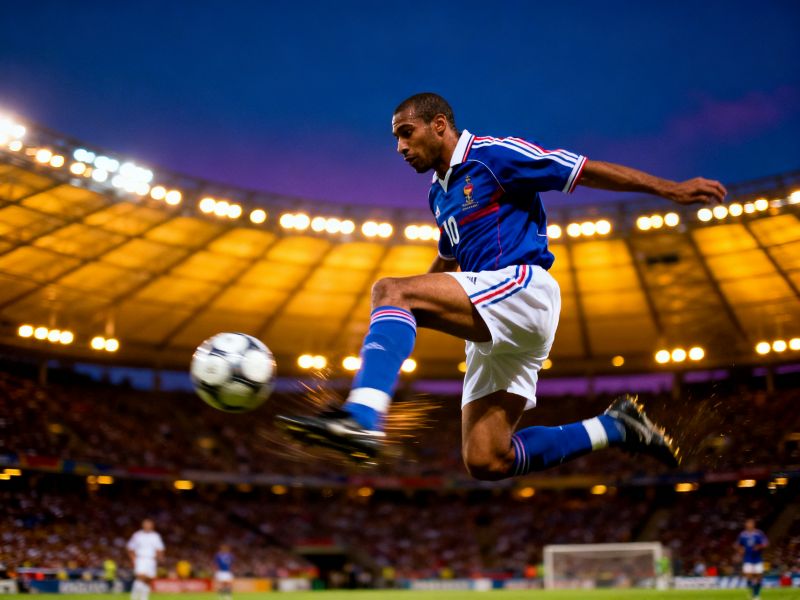
Deep into stoppage time—the fourth minute of added time, to be exact—Wiltord pounced on a loose ball inside the box and squeezed a low shot past Toldo. The equalizer was not a product of intricate buildup but of relentless pressure and Italy's failure to clear. That goal shifted something intangible. Italy's players。who had defended with such composure, suddenly looked mortal. France's bench erupted, and you could sense the momentum had flipped for good.The golden goal arrived in the 103rd minute. Robert Pires, a second-half substitute, danced down the left and delivered a cut-back. Trezeguet, another replacement, met it with a left-footed volley that cannoned off the crossbar and over the line. The 2000 European Championship Final ended there—no penalty shootout。no chance for Italy to respond. It was France's second major trophy in two years, and the first major final decided by a golden goal. Critics argued the rule was harsh;I found it brutally fair. Italy had 90 minutes to kill the game and didn't.Looking back, that final encapsulated the era's shift toward squad depth and tactical flexibility. France coach Roger Lemerre made bold substitutions—Pires and Trezeguet combined for the winner—while Italy's Dino Zoff waited too long to refresh his midfield. The match also exposed the fine margins of tournament football: a single lapse in concentration, a missed clearance, and history tilts. For neutrals。the 2000 European Championship Final delivered everything: late drama, a golden goal, and a reminder that defending a one-goal lead against elite opposition is a fool's errand.